
Houston Home DIY Projects for Painting, Flooring, Plumbing, Gardening and HVAC Repair
- Steven Chau
- Aug 2
- 9 min read

Houston DIY has its own personality. The paint dries when it feels like it, the humidity shows up uninvited, the yard grows like it drank espresso, and the attic turns into a slow cooker by lunch. Add sawdust, pollen, plumbing surprises, and AC drama, and suddenly your weekend project has plot twists.
There is also an optometry angle that deserves more attention. Home projects are tough on eyes. Paint splatter, drywall dust, flooring debris, mold, pollen, harsh glare, fumes, and attic insulation can all turn a simple fix into an eye-rubbing marathon. No one dreams of finishing a beautiful accent wall while blinking like a confused owl.
This guide looks at Houston-friendly DIY projects through a vision-safety lens, covering painting, flooring, plumbing, gardening, and HVAC repair with practical tips that protect both your home and your eyes.
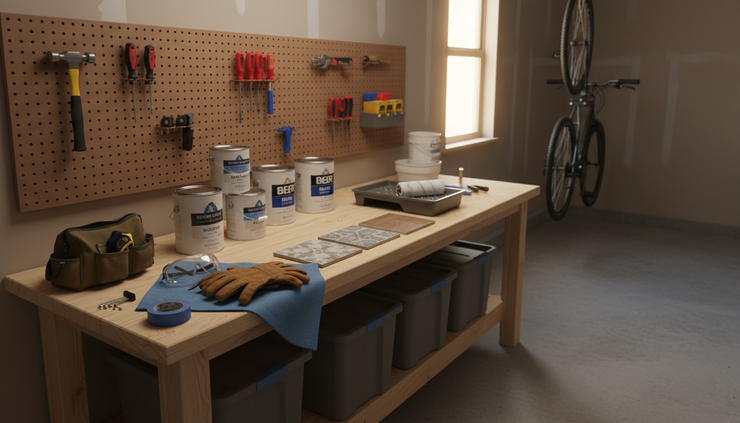
Start every project by thinking like an optometrist
Before grabbing a roller, wrench, shovel, or floor scraper, think about what could fly, drip, spray, puff, or crumble into your eyes. That sounds dramatic, but DIY has a talent for turning tiny particles into airborne confetti.
Eye injuries at home commonly come from simple tasks, not wild stunts. A plumbing fitting sprays cleaner. A mower kicks up grit. Old flooring releases dust. A ceiling vent drops insulation. Suddenly the “quick fix” needs a timeout.
For most home projects, keep this basic kit nearby:
Wraparound safety glasses
Choose ones that fit close to your face, especially for dusty or splashy work.
Chemical splash goggles
Use these when working with drain cleaners, solvents, paint strippers, or anything that sounds like it could melt a villain’s lair.
A dust mask or respirator
This helps reduce what gets breathed in, but it also cuts down the dust cloud around your face.
Good task lighting
Shadows make mistakes easier. Bright, even light helps you see edges, leaks, texture, and color better.
Artificial tears
Houston heat, dust, fans, and AC can dry out eyes fast. Use preservative-free drops if you need them often.
If something gets in your eye, avoid rubbing it. Rubbing can scratch the surface of the eye, especially when grit or dust is involved. Rinse with clean water or sterile saline. If pain, redness, blurry vision, light sensitivity, or a stuck particle does not clear quickly, call an eye doctor for emergency eye care appointment. This article is informational only and is not a substitute for professional medical advice.
Painting in Houston humidity without turning your eyes into tomatoes
Painting feels simple. Open can, roll wall, admire yourself like a home improvement wizard. Houston adds a few extra rules.
Humidity slows drying, and poor ventilation can trap fumes. If you are painting indoors, open windows when weather allows and use fans to move air out, not just around the room. A fan pointed straight at your face may feel nice, but it can dry your eyes and blow dust into them. That is less “fresh breeze” and more “tiny debris cannon.”
Choose low-odor products when you can
Many homeowners prefer low-VOC paints for indoor rooms because they reduce strong odors. Still ventilate well. “Low odor” does not mean “paint in a closet with the door shut and pretend it’s a spa.”
When sanding old paint or patching drywall, wear safety glasses and a mask. Fine dust is especially sneaky. It floats, lands on lashes, and waits for you to blink it into your eye like a tiny villain with commitment issues.
Use color and light with eye comfort in mind
The optometry connection is not only about injury. It is also about visual comfort.
In Houston homes with big windows and bright sun, glossy walls can create glare. High-gloss paint may look sharp on trim, but on a large wall near a window, it can bounce light like a mirror with an attitude.
Good choices for eye comfort often include:
Eggshell or satin finishes in living areas
Matte finishes in bedrooms
Warm whites or soft neutrals in rooms with harsh sunlight
Stronger colors on accent walls instead of all four walls
For a home office, reading nook, or craft area, test paint swatches at different times of day. Houston light changes from “golden and lovely” to “surface of the sun” pretty quickly.
Flooring projects that do not leave you seeing dust for a week
Flooring can transform a room fast. It can also create enough dust to make your eyeballs file a complaint.
Whether you are installing luxury vinyl plank, laminate, tile, engineered wood, or refinishing older floors, the main eye risks are flying chips, dust, adhesive fumes, and tool debris.

Keep dust from taking over the room
Before removing old flooring, seal off nearby areas with plastic sheeting if the job is messy. Close doors, cover vents, and use a shop vacuum with a proper filter. Standard sweeping often sends dust right back into the air, which is rude but predictable.
If you are cutting planks or tile, do it outside or in the garage when possible. Wear safety glasses every time. Yes, even for “just one cut.” The last-cut-before-lunch is exactly when chaos likes to RSVP.
Watch your lighting while measuring and cutting
Flooring needs accurate cuts. Poor lighting can make a line look straight when it is actually wandering like a lost tourist near the Galleria.
Use a bright work light aimed at the material, not at your eyes. Glare on glossy tile or polished flooring can make measurements harder to read. If you wear prescription glasses, ask your optometrist about safety-rated options if you do DIY often. Regular glasses help, but they do not protect the sides of your eyes the way wraparound safety glasses do.
Be careful with adhesives and grout haze
Some flooring projects involve adhesives, grout, thinset, or sealers. These can irritate eyes, especially in closed rooms. Keep ventilation moving, read product labels, and do not lean directly over open containers.
For tile work, grout haze can dry into a powdery film. Clean it carefully and avoid flicking residue upward. Your future self would rather not rinse tile dust out of your contacts at 10 p.m.
Plumbing fixes where splash protection is not optional
Plumbing DIY has two speeds: calm little repair and indoor fountain. There is rarely a polite middle.
Houston homes can deal with hard water buildup, old fixtures, clogged drains, garbage disposal issues, toilet repairs, and the occasional pipe surprise. The eye risks are mostly splashes, cleaners, rust, debris, and mystery water. “Mystery water” is not a scientific category, but every homeowner knows what it means.
Wear goggles for drain work
Safety glasses are useful, but chemical splash goggles are better for drain cleaner, toilet repairs, and work under sinks. Drain cleaners and old pipe residue can splash upward when a fitting loosens. That is not the kind of facial you want.
Better yet, use mechanical methods first when safe:
A plunger for toilets and sinks
A drain snake for hair clogs
Trap cleaning under sinks
Enzyme-based cleaners for maintenance, if appropriate for your plumbing
Be careful mixing products. Do not combine drain cleaners, bleach, ammonia, vinegar, or other chemicals. Bad fumes and splashes can happen fast.
Turn off water before the “tiny adjustment”
Many plumbing mishaps begin with the famous phrase, “I’ll just loosen this a little.” Turn off the water supply first. Open the faucet to release pressure. Keep towels and a bucket nearby.
For eye comfort, use a headlamp or portable light under sinks. Squinting into a dark cabinet while lying sideways next to cleaning supplies is nobody’s finest moment. Good lighting helps you see corrosion, leaks, and gasket placement without putting your face too close to the work.
Gardening in Houston without pollen becoming your personality
Houston gardening can be wildly rewarding. The growing season is generous, the soil can often be improved, and plants respond quickly. So do weeds. Houston weeds do not grow, they audition for a jungle documentary.
Gardening also brings pollen, mold spores, soil dust, fertilizer, sharp branches, insects, and sun glare. If you have allergies or dry eyes, yard work can make your eyes feel gritty, itchy, and dramatic.

Plan yard work for kinder conditions
Early morning or late afternoon is usually easier on both people and plants. Midday sun can increase glare and dry your eyes faster. Windy days can turn mulch, dust, and pollen into airborne glitter, except less festive and more sneezy.
Wear sunglasses with UV protection when working outside. Wraparound styles help block wind and dust from the sides. A wide-brim hat also cuts glare, which makes weeding less squinty and more civilized.
Handle mulch, compost, and fertilizer carefully
Mulch and compost can release dust and spores when poured or raked. Open bags away from your face. Wear eye protection when spreading dry materials.
With fertilizer, follow the label. Granules can bounce when tossed, and liquid fertilizer can splash. If you get any garden product in your eye, rinse right away.
Trim branches before they poke first
Pruning shrubs and trees is a classic eye hazard. Branches spring back. Thorns hide. Palm fronds and stiff ornamental grasses can jab unexpectedly. Wear protective eyewear, especially when cutting above shoulder height.
Also, please do not look up while shaking a branch to “see what falls out.” The answer may be leaves, dirt, a surprised bug, or all three. None belong in your eye.
HVAC repair and maintenance when the attic feels personally offended
Houston HVAC systems work hard. Long cooling seasons mean filters, vents, drain lines, and outdoor units need regular attention. Some tasks are DIY-friendly. Others belong to licensed pros, especially electrical work, refrigerant issues, major repairs, and anything that makes you say, “Hmm, that smells expensive.”
The eye-related risks include dust, insulation, mold, rust flakes, cleaner spray, and attic debris. Also sweat. So much sweat. Houston attics in summer feel like the inside of a baked potato wearing a wool sweater.
Change filters before they become indoor tumbleweeds
Replacing air filters is one of the easiest HVAC maintenance tasks. It can also improve indoor air quality by reducing dust moving through the system. Less dust in the air can mean less eye irritation for some people, especially those prone to dryness or allergies.
Turn the system off before changing the filter. Slide the old filter out gently so dust does not puff into your face. Wear safety glasses if the return area is dusty, and wash your hands afterward.
Clean vents without blasting debris into your face
Vacuum vent covers before removing them. If you unscrew a ceiling vent, stand slightly to the side. Dust and bits of insulation may fall. Gravity is undefeated and has terrible manners.
Use a damp microfiber cloth for vent covers. Dry dusting can push particles into the air. If you see signs of heavy mold growth, water damage, or persistent musty odors, bring in a qualified professional rather than guessing.
Treat condensate drain lines with respect
Clogged AC drain lines are common in humid areas. Some homeowners use a wet-dry vacuum at the exterior drain line or flush the line as recommended for their system. Wear splash protection. Drain water can carry algae or debris, and nobody wants that near their eyes.
For any HVAC task involving panels, wiring, capacitors, refrigerant, or the outdoor unit’s electrical components, stop and call a pro. A brave DIY spirit is great for painting trim. It is less charming around high-voltage parts.

Build a simple eye-safe DIY routine
A little preparation makes every project smoother. It also keeps DIY from becoming an eye-care emergency with a paint roller in the background.
Use this quick routine before starting any Houston home project:
Project | Main eye risk | Smart protection |
Painting | Splatter, fumes, sanding dust | Safety glasses, ventilation, low-dust prep |
Flooring | Chips, dust, adhesive fumes | Wraparound glasses, vacuum control, good lighting |
Plumbing | Chemical splashes, dirty water | Splash goggles, gloves, water shutoff |
Gardening | Pollen, branches, soil dust | Sunglasses or safety glasses, hat, careful pruning |
HVAC | Dust, insulation, drain water | Safety glasses, mask, power off when needed |
Also take breaks. Eyes dry out when focus stays locked on close-up tasks. The simple 20-20-20 habit can help during detailed work: every 20 minutes, look about 20 feet away for 20 seconds. It gives your focusing system a breather. Your baseboards will still be there when you look back. Sadly.
Know when DIY should hand the wrench to a professional
DIY can save money and build confidence, but some jobs are not worth the risk. Call a qualified professional for:
Electrical HVAC repairs
Refrigerant problems
Major plumbing leaks inside walls
Mold that covers a large area or keeps returning
Flooring removal that may involve asbestos in older materials
Paint removal in older homes where lead may be present
Eye injuries that do not improve quickly after rinsing
Houston homes face heat, humidity, storms, pests, and heavy AC use. That mix can turn minor problems into bigger ones if ignored. A careful homeowner knows the difference between “I can fix this” and “I should not be the main character in this disaster.”

The real win is a better home and happier eyes
Houston Home DIY Projects for Painting, Flooring, Plumbing, Gardening and HVAC Repair can make a house feel fresher, cleaner, cooler, and more comfortable. The trick is respecting the local conditions: humidity, heat, dust, pollen, glare, and the occasional plumbing gremlin.
Protective eyewear is not overkill. It is the seat belt of home repair. You hope nothing happens, but you will be very glad it is there when a tile chip, drain splash, or rogue twig tries to start nonsense.
So paint the room. Fix the faucet. Plant the herbs. Change the filter. Lay the floor. Just give your eyes the same care you give the project. A finished home upgrade should end with admiring your work, not explaining to an eye doctor how mulch achieved lift-off.


Comments